
If you’re over 60 and living in Wheaton, your dental needs have likely changed. Dry mouth, receding gums, and root decay are real challenges that affect seniors differently than younger adults. Understanding these issues is the first step toward protecting your long-term oral health. At Winfield Dental Studio, Dr. Ryan Kuebler helps Wheaton-area patients navigate every stage of life — including the unique dental concerns that come after 60.
Why Dry Mouth Is a Major Concern for Seniors in Wheaton
Dry mouth is not just uncomfortable — it is one of the leading causes of tooth decay in older adults. Many seniors take multiple medications daily. More than 400 common medications list dry mouth as a side effect.
Saliva does more than keep your mouth moist. It neutralizes acid, washes away bacteria, and helps remineralize tooth enamel. Without enough saliva, decay accelerates rapidly.
If you experience dry mouth, talk to Dr. Kuebler before your condition worsens. Simple interventions can make a significant difference. These may include fluoride treatments, prescription mouth rinses, or over-the-counter saliva substitutes.
- Drink water consistently throughout the day
- Avoid alcohol-based mouthwashes that dry tissues further
- Chew sugar-free xylitol gum to stimulate saliva
- Ask your physician if any medications can be adjusted
- Use a humidifier at night to reduce oral dryness
Receding Gums and Root Decay: What Every Wheaton Senior Should Know
Gum recession is extremely common after age 60. As gums pull back, the softer root surfaces of teeth become exposed. These root surfaces are not protected by enamel — they are far more vulnerable to decay.
Root decay can progress quickly and silently. Many patients don’t feel pain until significant damage has already occurred. This is why regular check-ups matter more — not less — as you age.
At Winfield Dental Studio, we use targeted cleanings to address exposed root surfaces. We also recommend fluoride varnishes specifically designed to protect roots. Catching recession early gives us far more treatment options.
Signs of gum recession to watch for include:
- Teeth that look longer than they used to
- Increased sensitivity to hot or cold foods
- A notch you can feel near the gum line
- Bleeding when brushing or flossing
- Loose teeth in advanced cases
Dentures, Partials, and Implant Candidacy After 60
Many seniors in the Wheaton area wear dentures or partial dentures. These restorations require regular maintenance and professional evaluation. Ill-fitting dentures can cause sores, difficulty eating, and even bone loss over time.
Dental implants are another option worth exploring. Implants replace missing teeth at the root level. They prevent bone loss and feel much more natural than traditional dentures.
Age alone does not disqualify someone from implants. Dr. Kuebler evaluates each patient individually. Factors like bone density, gum health, and overall medical history all play a role in determining candidacy.
If you’ve been told implants aren’t right for you, it’s worth getting a second opinion. Advances in implant dentistry have expanded who qualifies. A thorough consultation at Winfield Dental Studio can help clarify your options.
Cosmetic and Restorative Options for Aging Smiles
Aging naturally changes the appearance of your smile. Teeth may darken, chip, or wear down over decades of use. The good news is that many of these changes are treatable with modern dentistry.
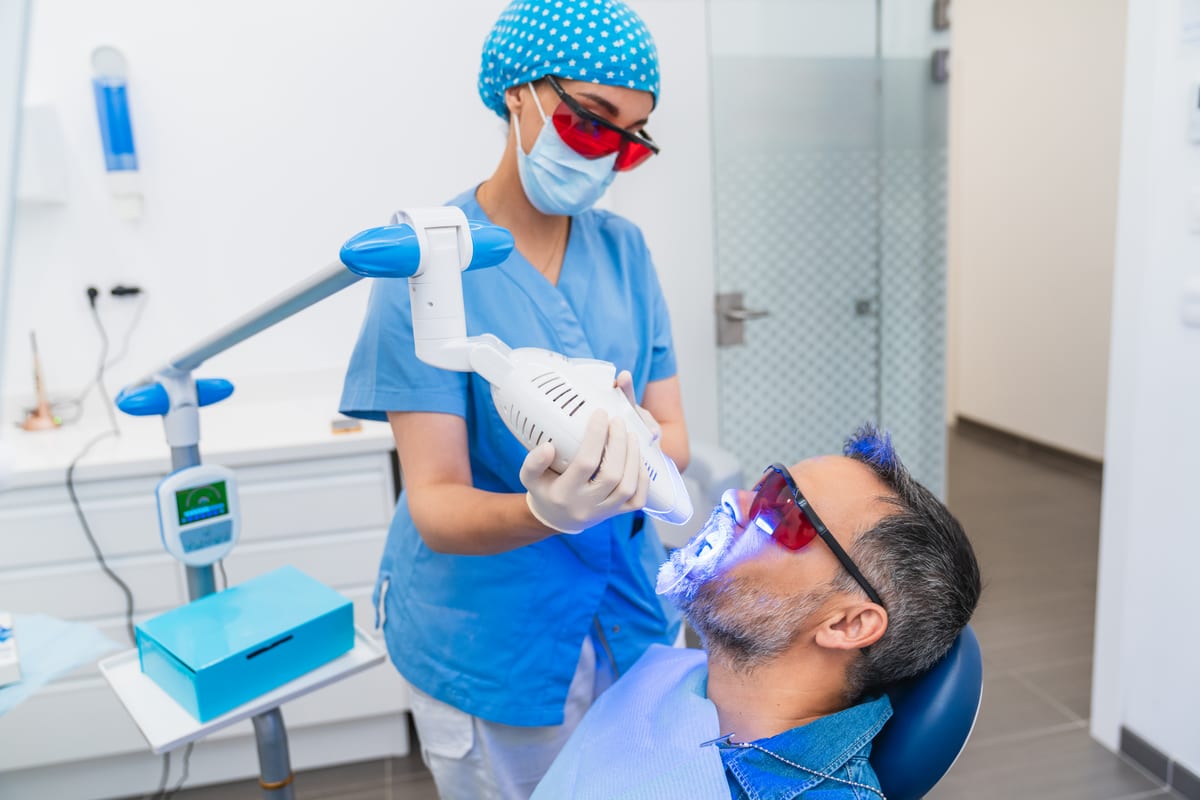
Cosmetic Dentistry offers a range of solutions designed to refresh and restore your smile at any age. From professional whitening to full-smile makeovers, there are options suited for seniors.
For minor chips, cracks, or discoloration, Cosmetic Bonding is a fast and affordable solution. It requires no surgery and can often be completed in a single visit. Bonding is especially helpful for seniors who want natural-looking results without extensive treatment.
Dr. Kuebler takes a conservative approach to cosmetic care for seniors. The goal is always to preserve existing tooth structure while improving aesthetics and function. Every recommendation is based on your long-term oral health — not just appearance.
Building a Senior Dental Care Routine That Works
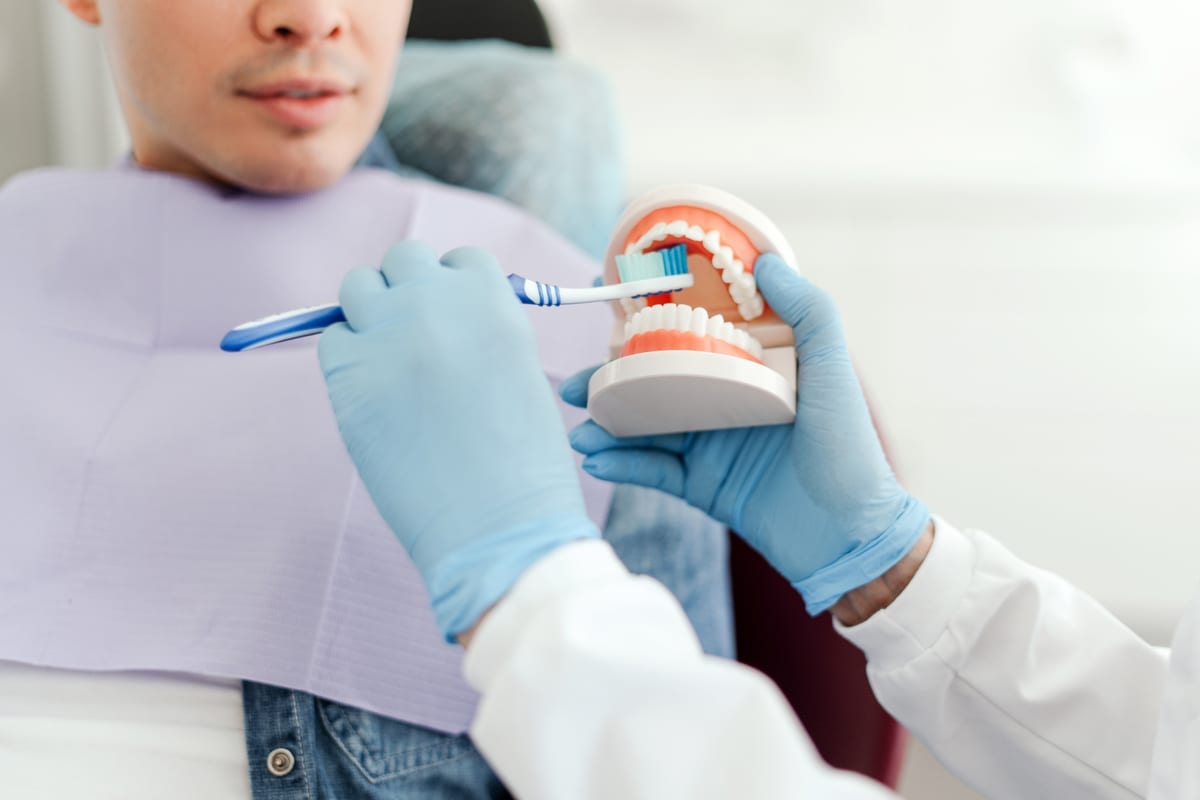
Good dental habits look a little different after 60. Your technique, tools, and visit frequency may all need to be updated. Dr. Kuebler and his team are happy to guide you through these adjustments.
Here are practical steps seniors should follow to maintain a healthy smile:
- Brush twice daily with a soft-bristled brush or an electric toothbrush
- Floss or use interdental brushes to clean between teeth and along the gum line
- Use a fluoride toothpaste specifically formulated for sensitive or aging teeth
- Stay hydrated to combat dry mouth throughout the day
- Schedule cleanings every six months — or more frequently if advised
Visiting the dentist consistently is one of the most powerful things you can do for your oral health. Early detection of decay, gum disease, or oral cancer saves teeth and saves money. It also protects your overall health, since poor oral health is linked to heart disease and diabetes.
If dental anxiety has kept you away from the dentist for years, you’re not alone. Winfield Dental Studio offers sedation options to help anxious patients feel comfortable during every visit. Dr. Kuebler’s team takes a gentle, patient-centered approach that puts seniors at ease.
Partnering With Winfield Dental Studio for Your Senior Dental Health
Wheaton seniors deserve dental care that understands their unique challenges. Dry mouth, receding gums, root decay, and changing smile aesthetics all require an experienced and compassionate provider. Dr. Ryan Kuebler at Winfield Dental Studio offers exactly that.
Whether you need a routine cleaning, a denture evaluation, or a full smile assessment, our team is here to help. We take the time to explain every finding and every option. You’ll never feel rushed or confused about your care.
Your smile matters at every age. Taking action today protects the quality of your life tomorrow. Book Now to schedule your appointment with our team.
Frequently Asked Questions
Why does dry mouth get worse as we age?
Dry mouth often worsens with age because many seniors take multiple medications that reduce saliva production. Additionally, systemic health conditions common in older adults can affect the salivary glands. Staying hydrated, using saliva substitutes, and discussing your medications with your dentist can all help manage the condition.
Can receding gums grow back on their own?
Unfortunately, receded gum tissue does not regenerate on its own. However, the progression of recession can be slowed or stopped with proper treatment and better oral hygiene habits. In some cases, gum grafting procedures can restore lost tissue. Early intervention gives you the most options, so don’t wait to have recession evaluated.
Are dental implants safe for seniors over 60?
Yes, dental implants are generally safe and effective for seniors over 60. Age is not a disqualifying factor on its own. Dr. Kuebler evaluates bone density, gum health, and overall medical history before recommending implants. Many patients in their 70s and 80s are excellent implant candidates with proper planning.
How often should seniors visit the dentist?
Most adults over 60 benefit from dental visits every six months. However, some patients with active gum disease, dry mouth, or a history of decay may need more frequent visits — sometimes every three to four months. Dr. Kuebler will recommend a schedule based on your specific oral health needs.
What can I do at home to protect exposed tooth roots?
Use a soft-bristled toothbrush and brush gently along the gum line twice daily. Choose a fluoride toothpaste designed for sensitive teeth, as fluoride helps harden exposed root surfaces. Avoid acidic foods and drinks that can erode root structure further. Ask Dr. Kuebler about prescription fluoride gels or varnishes for added protection.