

Getting a dental crown is a common procedure. But the temporary crown phase often leaves patients with questions. If you are near West Chicago and want to know exactly what to eat, clean, and expect with your temporary crown, this guide is for you. Understanding these steps helps protect your tooth and ensures a smooth transition to your permanent crown.
At Winfield Dental Studio, Dr. Ryan Kuebler guides every patient through this process with care. Knowing what is normal — and what is not — makes this waiting period much easier.
What Is a Temporary Crown and Why Do You Need One?
A temporary crown is a short-term covering placed on a prepared tooth. It protects the tooth while your permanent crown is being custom-made in a dental lab. This process usually takes one to two weeks.
Temporary crowns are made from acrylic or composite resin. They are not as strong as permanent crowns. That is why specific care instructions matter so much during this phase.
Without a temporary crown, your exposed tooth could become sensitive or shift position. It also protects surrounding gum tissue and keeps your bite aligned. Think of it as a placeholder that plays a very important role.
What to Eat With Your Temporary Crown Near West Chicago
Diet is one of the most important parts of temporary crown care. The cement used to place a temporary crown is intentionally weaker than permanent cement. This makes removal easier when your permanent crown is ready.
Because of this, you should avoid certain foods entirely:
- Sticky foods like caramel, taffy, and chewing gum
- Hard foods like nuts, raw carrots, and hard candies
- Crunchy foods like chips, popcorn, and crusty bread
- Chewy foods like bagels, steak, and gummy snacks
- Extremely hot or cold foods that trigger sensitivity
Stick to soft, easy-to-chew options instead. Good choices include mashed potatoes, scrambled eggs, yogurt, soup, soft pasta, and bananas. Also, try to chew on the opposite side of your mouth whenever possible.
Following these dietary tips greatly reduces the chance of your temporary crown loosening or coming off early.
How to Clean Around Your Temporary Crown
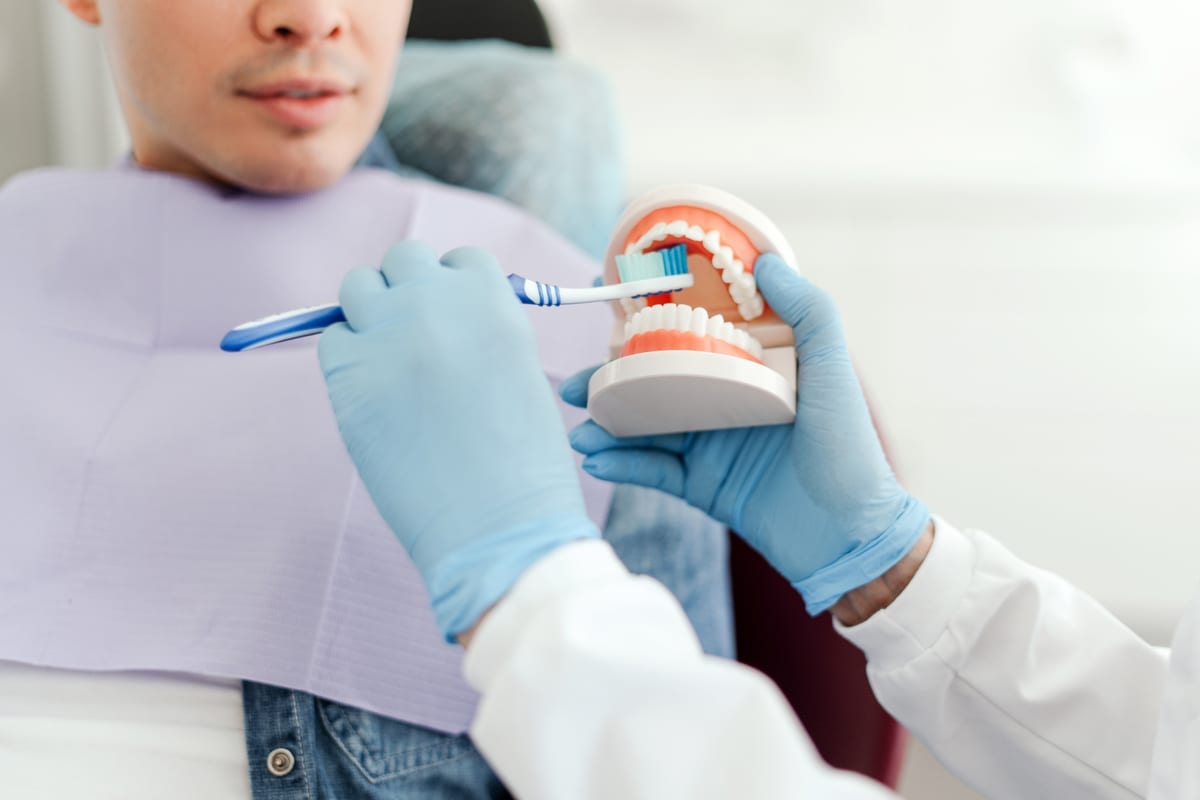
Good oral hygiene is still essential during this phase. However, you do need to adjust your technique slightly. Cleaning around a temporary crown requires a gentler approach.
Here are the key cleaning guidelines to follow:
- Brush gently twice daily with a soft-bristled toothbrush
- Use a non-abrasive toothpaste to avoid scratching the crown surface
- Floss carefully once per day around the temporary crown
- Slide floss out sideways rather than pulling it upward — this prevents dislodging the crown
- Avoid water flossers set on high pressure near the temporary crown
- Rinse with an alcohol-free mouthwash to reduce bacteria
Skipping cleaning is never the answer. Plaque and bacteria can still accumulate around a temporary crown. Keeping the area clean protects the underlying tooth and the gum tissue around it.
If you notice any bleeding or sensitivity while cleaning, contact Winfield Dental Studio right away. These could be signs of gum irritation that need attention.
What to Do If Your Temporary Crown Falls Off
It happens more often than you might think. A temporary crown can come loose, especially if dietary guidelines are not followed. Do not panic — this situation is manageable.
First, locate the crown and rinse it gently with warm water. Do not throw it away. You may be able to temporarily re-seat it at home using dental cement or even a small amount of toothpaste as a short-term fix. These products are available at most pharmacies.
Place the crown back over the tooth with the open end facing down. Bite gently to seat it. Then call our office as soon as possible to have it properly recemented.
Do not leave the tooth uncovered for long. An exposed prepared tooth is vulnerable to sensitivity, bacteria, and movement. Same-day or next-day care is ideal in this situation.
What to Expect During the Temporary Crown Phase
Knowing what is normal helps reduce anxiety. Some sensitivity is expected after your tooth is prepared and a temporary crown is placed. This is especially true to temperature changes and pressure.
You may also notice your bite feels slightly off at first. Minor bite adjustments are common. If discomfort persists beyond a few days, contact Dr. Kuebler’s office.
The temporary crown phase typically lasts one to three weeks. During this time, your permanent crown is being crafted to match the precise shape, size, and color of your natural teeth. Precision takes time, and it is worth the wait.
Some patients also experience minor gum soreness around the temporary crown. This is usually normal as the gum tissue adjusts. Gentle rinsing with warm salt water can provide relief.
Patients near West Chicago who are curious about related smile improvements may also want to explore Cosmetic Dentistry options available at Winfield Dental Studio. Minor chips or gaps near treated teeth can often be addressed alongside crown work. For small surface repairs, Cosmetic Bonding is a simple, effective solution worth asking about.
Tips for a Smooth Temporary Crown Experience
A few extra habits can make your temporary crown phase much more comfortable. These small adjustments protect your investment and set the stage for a great final result.
- Avoid chewing ice at all times
- Do not use teeth-whitening products while wearing a temporary crown
- Keep follow-up appointments as scheduled
- Call the office immediately if pain increases suddenly
- Avoid grinding or clenching — ask about a night guard if this is a concern
Most patients transition smoothly from temporary to permanent crown with no issues. Following the guidance above is the single biggest factor in a problem-free experience.
Conclusion: Caring for Your Temporary Crown in West Chicago
Your temporary crown is a critical step in restoring your smile. Treating it with the right care protects your tooth and ensures the permanent crown fits perfectly. Soft foods, gentle cleaning, and careful flossing are your best tools during this phase.
Dr. Ryan Kuebler and the team at Winfield Dental Studio are here to support West Chicago area patients every step of the way. You never have to navigate this process alone. Book Now to schedule your appointment with our team.
Frequently Asked Questions
How long will I have a temporary crown before getting my permanent one?
Most patients wear a temporary crown for one to three weeks. This gives the dental lab enough time to custom-craft your permanent crown for a precise fit and natural appearance.
Can I eat normally with a temporary crown?
No. You should avoid sticky, hard, crunchy, and chewy foods while wearing a temporary crown. Soft foods like yogurt, mashed potatoes, eggs, and soup are much safer choices during this period.
What should I do if my temporary crown feels loose or falls off?
Rinse the crown gently and try to place it back over the tooth using over-the-counter dental cement or toothpaste as a short-term fix. Then call your dentist immediately to have it properly recemented as soon as possible.
Is it normal to feel sensitivity with a temporary crown?
Yes. Some sensitivity to hot, cold, or pressure is normal after tooth preparation. If sensitivity is severe or lasts more than a few days, contact your dental office to have your bite and crown checked.
Do I still need to floss around my temporary crown?
Yes, but carefully. Floss once daily using a gentle sliding motion. Pull the floss out sideways rather than snapping it upward, which could dislodge the temporary crown. Keeping the area clean prevents gum issues before your permanent crown is placed.