
Many Winfield patients leave a dental cleaning and wonder why their teeth aren’t dramatically whiter. Understanding surface stains vs deep stains — and what your cleaning actually removes in Winfield — helps set realistic expectations. Not every discoloration responds to a professional polish. Knowing the difference empowers you to make smarter decisions about your smile.
What Happens During a Professional Teeth Cleaning?
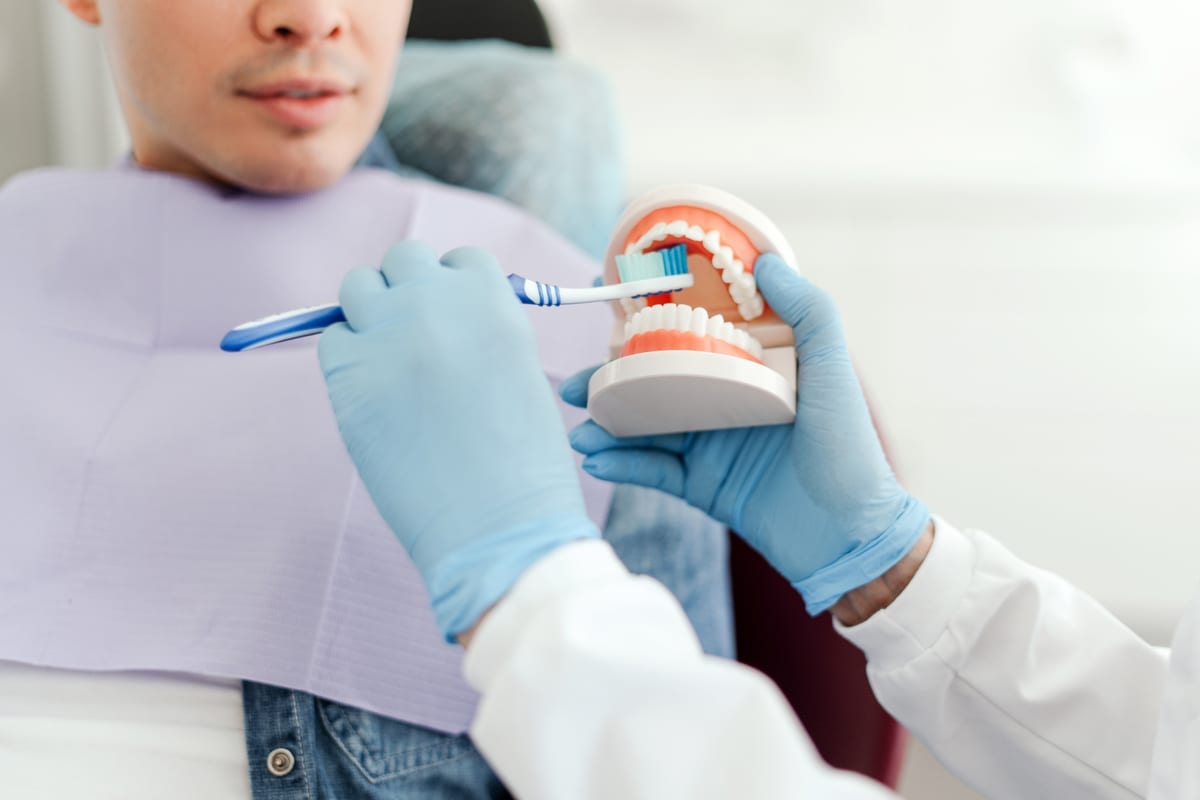
A professional cleaning at Winfield Dental Studio does much more than freshen your breath. Dr. Ryan Kuebler’s hygiene team removes plaque, tartar, and certain surface discolorations that brushing at home simply cannot reach. The process uses specialized instruments and a gritty polishing paste to buff away buildup on enamel.
Here is a quick overview of what typically happens during your visit:
- Plaque and tartar are scaled from tooth surfaces and along the gumline
- A polishing cup with prophy paste buffs away surface debris
- Flossing clears bacteria and buildup between teeth
- A fluoride treatment strengthens enamel and reduces sensitivity
Each step targets different types of buildup. However, cleaning tools only reach the outer enamel layer. They cannot penetrate into the deeper structure of your tooth where intrinsic stains live.
Surface Stains: What a Cleaning Can Remove
Surface stains — also called extrinsic stains — sit on the outermost layer of your enamel. These develop from everyday habits and are generally the most responsive to professional cleaning. Most Winfield patients see a noticeable brightness improvement from a single cleaning visit when extrinsic staining is the primary concern.
Common causes of surface stains include:
- Coffee, tea, and red wine consumption
- Tobacco use, including cigarettes and chewing tobacco
- Dark-pigmented foods like berries and tomato sauce
- Poor brushing habits that allow plaque to accumulate
- Tartar buildup, which has a yellowish or brownish appearance
The polishing step during your cleaning physically abrades these pigments off the enamel surface. After the appointment, your teeth may appear one or two shades brighter. That improvement is real — but it is a removal of stain, not a whitening of the tooth itself.
It is important to understand this distinction clearly. A cleaning restores your teeth to their natural baseline color. It does not change the underlying shade of your enamel.
Deep Stains: What a Cleaning Cannot Fix
Intrinsic stains originate inside the tooth structure itself. They affect the dentin layer beneath the enamel. No amount of scaling or polishing will reach them during a standard cleaning appointment.
Several factors cause deep or intrinsic discoloration:
- Tetracycline antibiotic use during childhood tooth development
- Excessive fluoride exposure causing fluorosis
- Trauma or injury that causes internal bleeding within the tooth
- Natural aging, which thins enamel and reveals darker dentin beneath
- Certain medications taken during pregnancy that affect developing teeth
These stains may appear gray, brown, or streaky rather than uniformly yellow. They often do not respond fully even to over-the-counter whitening strips. If you have deep staining, Dr. Kuebler can discuss more targeted solutions after evaluating your specific situation.
In some cases, a tooth with internal discoloration from trauma may also have structural concerns worth addressing. Our team can evaluate whether Treatment Of Cracked Teeth Winfield or other restorative care may be relevant alongside your cosmetic concerns.
When Teeth Whitening Is the Right Next Step
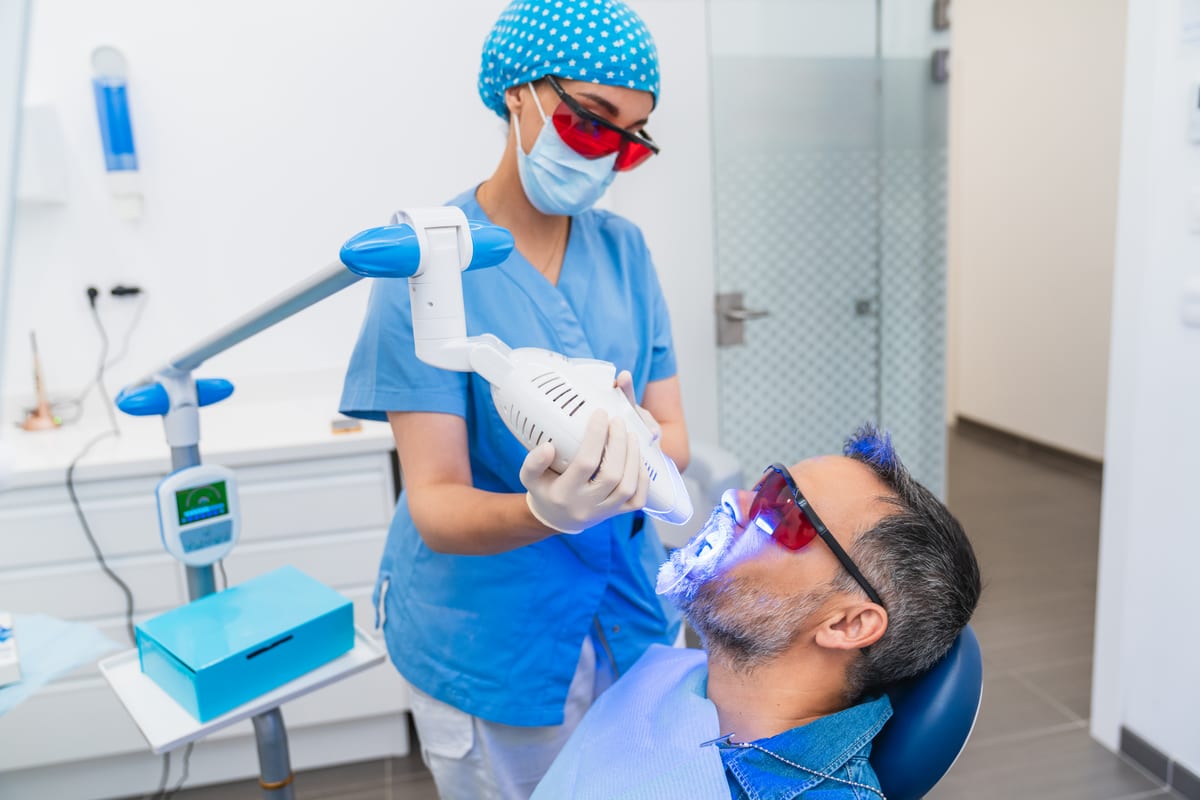
Professional teeth whitening goes beyond what cleaning can accomplish. It uses peroxide-based gels that penetrate enamel and chemically lighten the underlying tooth structure. This targets mild-to-moderate intrinsic staining that a cleaning alone cannot address.
At Winfield Dental Studio, Dr. Kuebler offers professional-grade whitening options tailored to your needs. These are significantly stronger than store-bought products. You also receive guidance to minimize sensitivity and protect your gum tissue during treatment.
Whitening works best when your teeth are clean first. That is why scheduling a cleaning before whitening is always recommended. Starting with clean enamel ensures the whitening gel contacts the tooth surface evenly and delivers more consistent results.
For patients whose staining is severe or whose enamel is too thin for whitening, cosmetic options like dental bonding or porcelain veneers may be a better fit. Dr. Kuebler will walk you through every option honestly and without pressure.
Maintaining Your Results After Your Cleaning in Winfield
Keeping surface stains from returning requires consistent daily habits. The improvements from your professional cleaning can last longer with a few simple adjustments to your routine.
Consider these tips to protect your smile between appointments:
- Rinse your mouth with water after consuming dark-pigmented beverages
- Use a straw when drinking coffee or tea to reduce contact with enamel
- Brush twice daily with a whitening toothpaste for gentle maintenance
- Avoid tobacco products, which cause rapid re-staining
- Schedule routine cleanings every six months as recommended
Patients in Winfield who maintain consistent hygiene visits tend to have less buildup between appointments. That means each cleaning is more comfortable and produces better cosmetic results. Prevention is always easier than correction.
If you are dealing with more complex dental concerns alongside staining, our team also provides comprehensive Restorative Dentistry Winfield services to address both function and appearance together.
Talk to Dr. Kuebler About Your Stain Concerns
Every smile is different. What works for one patient may not be right for another. The best way to understand what your cleaning can realistically remove — and what additional treatments might help — is to have an honest conversation with Dr. Ryan Kuebler at Winfield Dental Studio.
During your appointment, Dr. Kuebler evaluates the type and depth of your staining. He explains your options clearly and helps you prioritize based on your goals and oral health status. You will never feel rushed or pushed toward treatments you do not need.
Winfield families trust our practice because we focus on education first. We want you to walk out of every appointment understanding your smile better than when you walked in. That includes knowing exactly what your cleaning did — and what it did not — for your tooth color.
Ready to take the next step toward a cleaner, brighter smile? Book Now to schedule your appointment with our team.
Frequently Asked Questions
Will a professional cleaning whiten my teeth?
A professional cleaning removes surface stains and tartar buildup, which can make teeth appear brighter. However, it does not chemically whiten the tooth structure itself. If you want a noticeably whiter shade, professional teeth whitening treatment would be a better option to discuss with Dr. Kuebler.
How do I know if I have surface stains or deep stains?
Surface stains typically appear yellowish or brownish and are linked to food, drink, or tobacco. Deep stains may look gray, streaky, or spotted and often result from medications, trauma, or developmental factors. Dr. Kuebler can identify the type of staining during your exam and recommend the right approach.
How often should I get a professional cleaning in Winfield?
Most patients benefit from a professional cleaning every six months. Patients with gum disease, heavy tartar buildup, or a history of staining may need more frequent visits. Dr. Kuebler will recommend a schedule based on your specific oral health needs.
Can teeth whitening fix all types of discoloration?
Teeth whitening works well for most mild-to-moderate intrinsic staining caused by aging or diet. However, stains from tetracycline antibiotics or severe fluorosis may not respond fully to whitening. In those cases, cosmetic options like dental bonding or veneers may produce better results.
Is teeth polishing during a cleaning safe for my enamel?
Yes, professional polishing is safe when performed by a trained dental hygienist. The prophy paste used during polishing is mildly abrasive and designed to clean without damaging healthy enamel. Patients with worn or sensitive enamel can let the hygienist know, and a gentler paste can be used.