

Deciding between root canal therapy and tooth extraction is not easy when a tooth is damaged or infected. Both treat dental problems caused by decay, infection, or trauma, but they yield different results. Being aware of the advantages and the steps involved in each will better equip you to choose what is best for your mouth’s well-being.
In this blog, we will take a closer look at the ins and outs of root canal therapy, its advantages, and compare them with those of tooth extraction. We are going to discuss how you can make the most out of your dental benefits by choosing the best option for your long-term dental health.
Why Choose Root Canal Therapy Over Extraction?
When an infected or damaged tooth can still be saved, a root canal procedure is generally the preferred treatment. The main advantage of root canal therapy is that you can keep your tooth, preserving its function and appearance. An extraction completely removes the tooth, while a root canal restores the tooth’s function by repairing it and treating its infection.
By opting for root canal therapy in Winfield, IL, you avoid the need for restorative treatments such as dental implants or bridges, as would be the case after extraction. Root canal therapy may save you time, hassle, and the complexity of replacing the tooth altogether. It also prevents the drifting of adjacent teeth, which may occur after tooth removal.
Root Canal Treatment: What to Expect
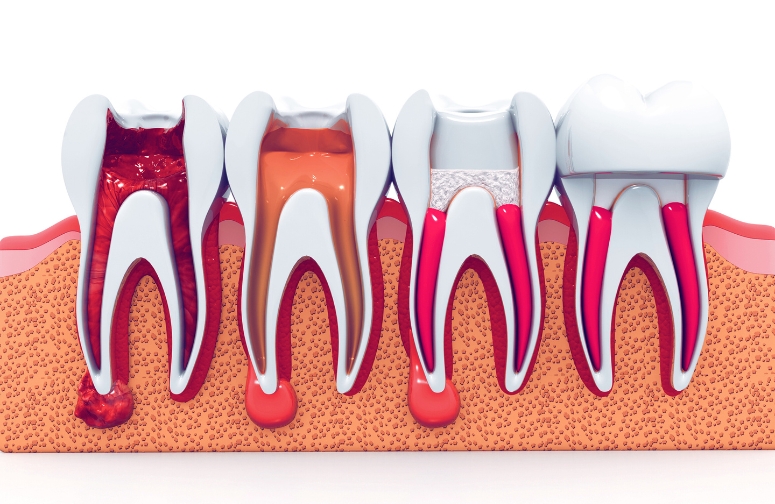
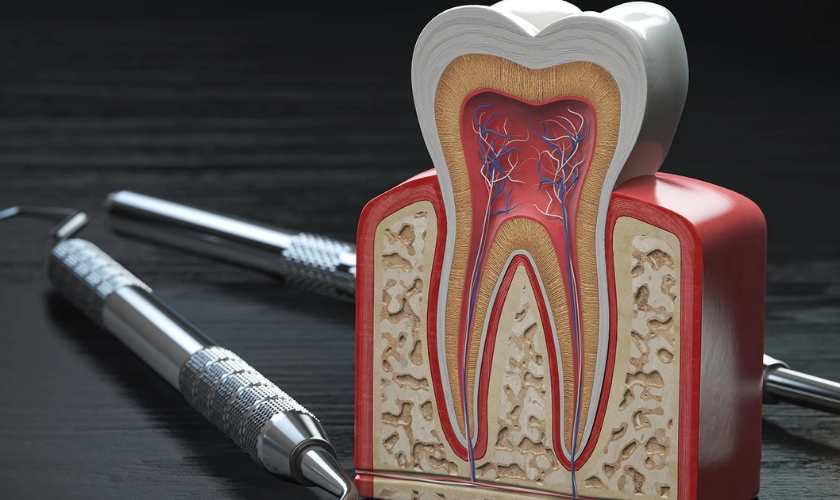
A root canal involves removing infected or damaged pulp inside the tooth. After which, your dentist or endodontist cleans out the space, disinfects it, and then fills it with a special material that will seal the tooth. A crown is generally placed on top to help restore the tooth’s strength and protect it from further damage.
Root Canal Treatment Steps
If one is planning a root canal, it is essential to understand what the treatment entails. Here is the outline of the steps in root canal treatment:
- Initial Consultation and X-rays: Your dentist will assess the tooth with X-rays to determine the extent of the damage and infection.
- Local Anesthesia: To ensure your comfort, local anesthesia will be administered to numb the area around the affected tooth.
- Pulp Removal and Cleaning: The dentist or endodontist will remove the infected pulp from inside the tooth and clean the root canals.
- Sealing the Tooth: The space is sealed after cleaning with a special material to prevent further infection.
- Placing a Crown: A crown is placed on the tooth to restore its shape and strength. It also protects the tooth from further damage.
These additional steps ensure the tooth is treated effectively for long-lasting results that help preserve your smile.
Advantages of Root Canal Therapy
Root canal treatment in Winfield, IL, has numerous advantages that make it popular with many patients. Some of the significant benefits include:
- Preservation of the Natural Tooth: When opting for root canal treatment, you will keep your natural tooth, avoiding an operation that may be more serious.
- Improved Functionality: Your treated tooth will function like a healthy tooth, allowing you to chew, bite, and speak well.
- Long-term Advantages: Root canal therapy can be long-lasting, with treated teeth lasting many years with the proper dental care.
Choosing root canal treatment means your tooth is saved and you avoid the extra hassles and time of more extensive dentistry.
Root Canal Recovery Time: What to Expect
One of the significant benefits of root canal therapy is the quick recovery time. Immediately after the procedure, most patients feel mild discomfort or swelling that usually subsides within a few days with over-the-counter pain relievers. After a couple of days, most people get back to their routine.
The recovery period is also much shorter than for other dental treatments, such as tooth extraction. Moreover, the treated tooth can continue to function normally after the recovery period without requiring further dental interventions.
Why Extraction May Not Be the Best Choice
While extraction is sometimes necessary, it’s often the last resort. In cases of severe infection or tooth damage, your dentist might recommend extraction. However, such options may necessitate replacing dental implants, bridges, or dentures, each presenting its own set of complications and hassles. Additionally, the extraction may be followed by tooth movement, changes in the way one bites, and possible jawbone loss.
Opting for root canal treatment rather than tooth extraction enables you to retain your tooth and avoid more complex restorative therapies in the future. Moreover, by keeping your teeth, you can prevent complications associated with missing teeth, such as deterioration and shifting.
Smile Healthy with Winfield Dental Studio
Although the decision between root canal therapy and extraction is significant, it need not be burdensome. Root canal therapy offers the best of both worlds: it preserves your natural tooth, restores its function, and prevents more invasive procedures. At Winfield Dental Studio, we are here to help you explore options and make the best decision for your oral health.
If you are feeling tooth pain or think that you may need a root canal, do not wait. Call today to schedule your consultation with us, and let’s take the first steps together in protecting your smile. Our team is committed to providing you with the best possible care to keep your smile healthy and beautiful for years to come.
FAQs
- Is root canal treatment painful?
Root canal therapy is generally not painful, as the procedure is performed under local anesthesia, which numbs the affected area. While mild discomfort may occur after the procedure, most patients report that the pain is manageable and subsides within a few days. The pain you experience before the treatment is typically much worse than after the procedure. - What are the steps involved in a root canal procedure?
A root canal procedure begins with the dentist or endodontist numbing the area and cleaning the infected tooth. The damaged or infected pulp is removed, and the tooth is thoroughly cleaned and sealed to prevent future infection. Finally, a crown or filling is placed on the tooth to restore its function and strength. - How long is the recovery time for a root canal?
Recovery time for a root canal is relatively short, with most patients experiencing only mild discomfort for a few days after the procedure. You can typically return to normal activities within a day or two, but it’s essential to follow your dentist’s aftercare instructions to ensure proper healing and avoid complications. - What happens if I need an extraction instead of a root canal?
If a tooth is beyond saving with a root canal, extraction may be necessary. After extraction, your dentist will discuss options for replacing the missing tooth, such as dental implants, bridges, or dentures, to restore both function and appearance. The recovery process after an extraction may be longer than after a root canal. - How long will a treated tooth last after a root canal?
A tooth treated with a root canal can last many years with proper care. The success and longevity of the tooth depend on factors like maintaining good oral hygiene, regular dental check-ups, and the placement of a durable crown or filling to protect the treated tooth. - Can I eat after a root canal?
After a root canal, it’s best to avoid eating on the treated side until the tooth is fully restored with a crown. This helps prevent any accidental damage to the temporary filling or tooth while it heals. Once the restoration is in place, you can resume eating normally.